Adventures in the South Seas

Conducted by John Kenny © January 2026

Mike Ashley is a major enthusiast and collector of a wide range of popular fiction, including science fiction, fantasy, supernatural, and crime fiction. He has compiled or edited well over one hundred anthologies of short stories across the whole spectrum of genre fiction and has written a biography of Algernon Blackwood and a five-volume history of science fiction magazines. His Age of the Storytellers (British Library 2005) explores the British popular fiction magazines from the 1880s to the 1940s and he received the Pilgrim Award for Lifetime Achievement in science fiction scholarship in 2002 and the Edgar Award for the Mammoth Encyclopedia of Modern Crime Fiction (Robinson Publishing 2002) in 2003.


John Kenny: Tell us a little about Beatrice Grimshaw. It’s quite an achievement for a woman from Northern Ireland to fetch up in the Pacific Islands as a travel writer in the early 1900s.

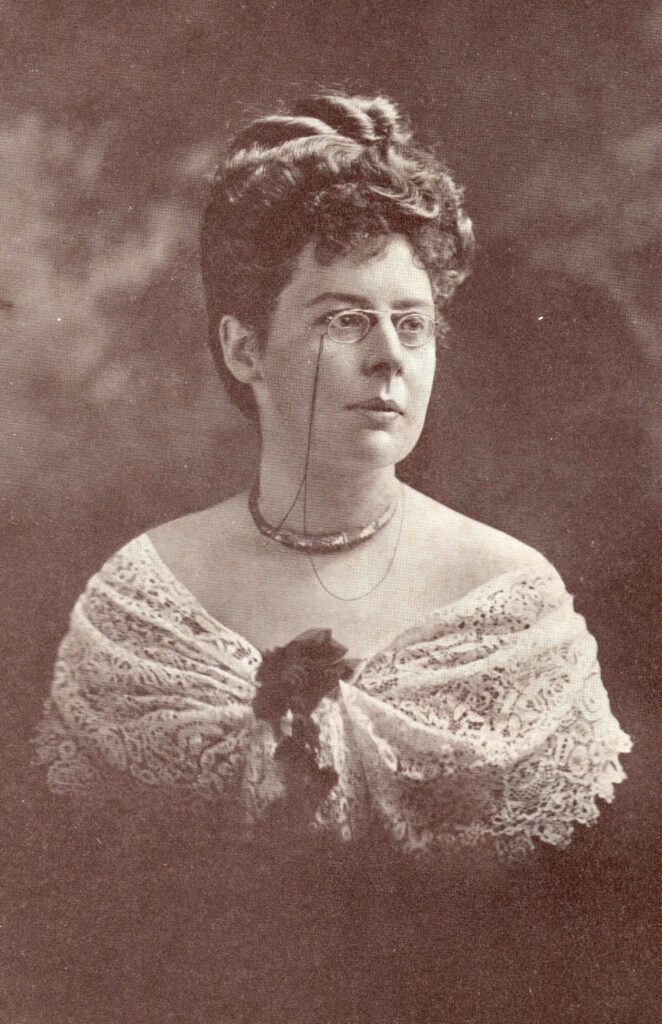
Mike Ashley: It’s one of the factors that appealed to me about Grimshaw. She was clearly an adventurer, and one with a vivid imagination. She was born in Northern Ireland, where her great-grandparents had relocated from Lancashire. They were mill owners there a century before. I imagine her as quite a wilful child, with an evident wanderlust. She was an ardent cyclist in her youth, cycling for miles and miles, and the moment she could leave home—she did. She discovered she could write about her travels for the magazines and for the shipping lines’ own magazines so once she could earn her keep she travelled on the big ocean-going liners writing about where they travelled. She fell in love with the South Seas and eventually settled in what is now Papua New Guinea, and was the first white women to venture inland along the Fly and Sepik rivers.

JK: That’s quite daring, certainly back then. And was it her travels that inspired her to write fiction? Or was she doing so before she left these shores?

MA: She had written some fiction, but not much. Her writings were mostly journalism, reviews, and articles for various Irish magazines and newspapers. But once she reached the South Seas, travelling around the many islands before settling down, she was inspired, particularly by the idea of an adventurous woman amongst the travellers, settlers, and the indigenous peoples on those islands—Samoa, Fiji, the New Hebrides, Papua, and so on. She had immediate success with her first South Seas novel, Vaiti of the Islands, which was serialised in the Sydney Morning Herald and the Saturday Evening Post in 1906, and was picked up by the British Pearson’s Magazine in 1907. It concerns a young woman who becomes a “native queen”.
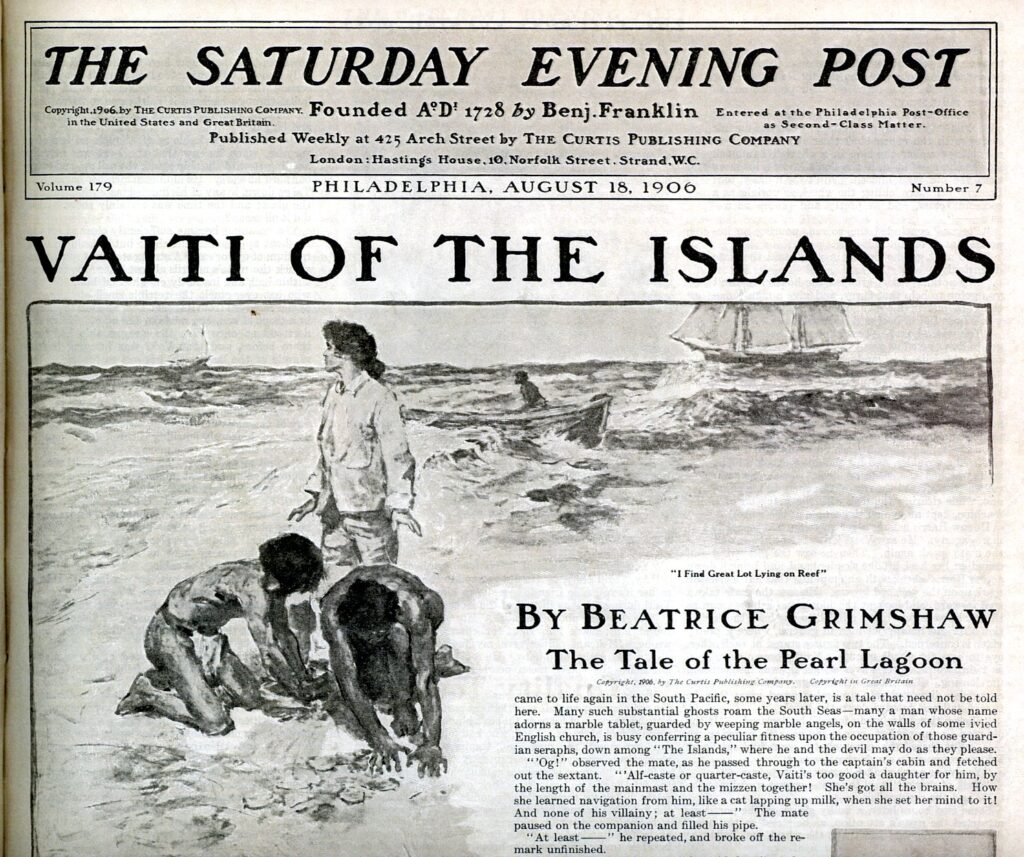
JK: I wonder if there was an element of wish fulfilment with regard to becoming a “native queen”. What do you think it was that fascinated Grimshaw about the indigenous islanders of the South Sea?

MA: I’m not sure it was wish fulfilment as much as day-dreaming or that sense of wonder we all have. She became fascinated by the indigenous people, and though in her writings she betrayed the typical racist attitudes of the day, she also seems to have had a lot of respect for the islanders and their various beliefs. She came to believe that the islanders had an entirely different outlook to western civilisation, freed, as it was, from our class structure and constrictive histories—especially in Catholic Ireland. The islanders were much closer to the land and nature, and though she never witnessed anything that was overtly supernatural, she could sense their abilities to understand the natural world in a way that she couldn’t, and it could easily be interpreted as a supernatural power. That affinity with the natural world comes through in many of her stories, often to the detriment of the white settlers.

JK: Yes, that racism is evident in a few of the stories in Strange South Seas, particularly “The Long, Long Day” and “The Blanket Fiend”. And “The Devil’s Smithy” revolves around the work of a Christian Mission in the Sheba Islands. What were Grimshaw’s views regarding the concept of “civilising natives” that was prevalent at the time?

MA: Racism in any form is abhorrent to me, but it’s not something you can simply hide, because it was so prevalent during the period Grimshaw was writing. I find myself torn between including the various comments or deleting them, as that borders on censorship. My general view is that such comments should stay. To my mind if a story contains no redeeming values, then I’d rather not reprint the story at all, but if the racist comments are limited then I’d rather run them as is than attempt to change them. And she certainly did not support the view of “civilising natives”. Whilst some of her comments are racist, she also had a lot of respect for the indigenous islanders and believed their culture and beliefs should be preserved.

JK: I do think it’s possible to read something that’s very much of its time and enjoy it while not condoning abhorrent aspects of the story. This is certainly the case with “The Blanket Fiend”, perhaps the most swashbuckling story in Strange South Seas, and reminiscent of H. Rider Haggard. Would she have been familiar with his work?
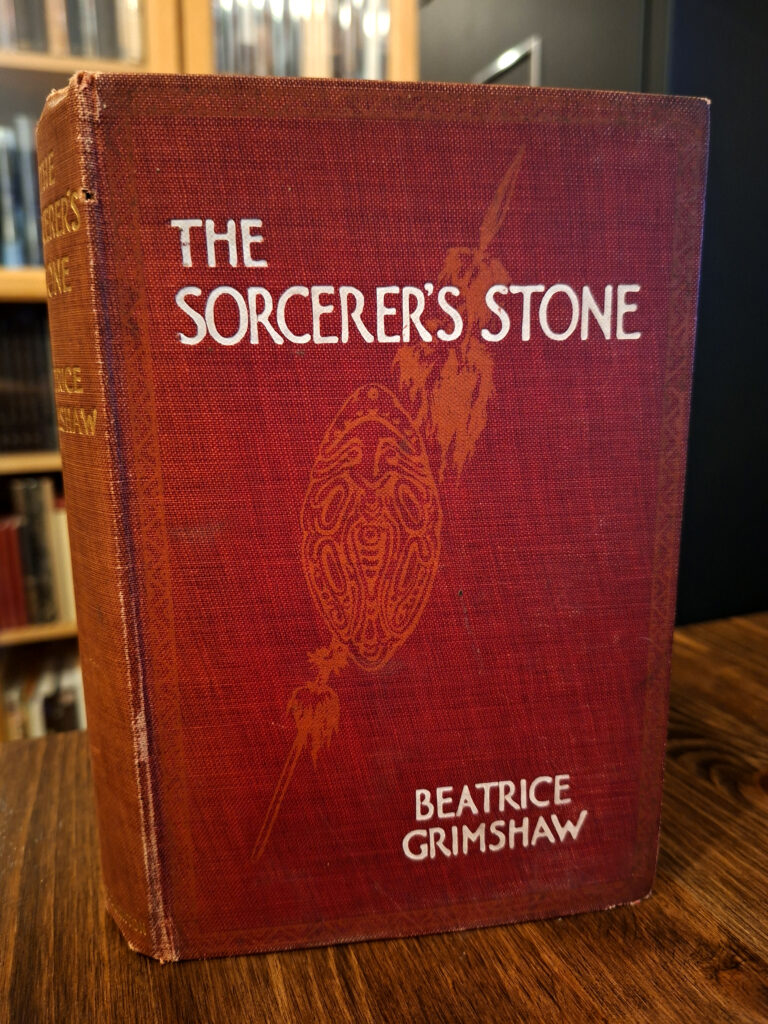
MA: Grimshaw never said much about her own reading habits, leastways not in the books I have. I do have her “memoirs”, such as they are, which are really about her travels, but for the moment I can’t lay my hands on it. But in general I’d say it’s pretty certain she would have read something by Haggard, because he was someone almost everyone read at the time. I know she was well read but I don’t know how much that influenced her writing. I do know she was influenced by the Australian writer Louis Becke (1855-1913), who was well steeped in the magic of the Pacific.

JK: Two stories in this collection, “Through the Back Door” and “Lost Wings”, struck me as positively Bradburyesque, both in their premises and the wistful quality of the writing. Do you think this lyricism was engendered by her surroundings?

MA: “Through the Back Door” is one of my real favourites of her work. I think all her stories were inspired by her surroundings but I suspect that story had other factors that influenced it. Without giving too much away it deals with choices and whether we might want to relive our lives and maybe make any changes. I suspect most people think that at one time or another and I can’t help but wonder what was going through Grimshaw’s mind, or perhaps recent experiences, which prompted her to explore that idea. I hadn’t thought about those stories being Bradburyesque, but I think you’re right. They show how fiction can elevate our thoughts and, if needed, serve as therapy. Both these stories are, to my mind, therapeutic.

JK: Another aspect of her writing that really appeals to me is the vividness of her descriptions of island habitats. I’m thinking particularly of “The Singing Ghost” and “The Devil’s Smithy”, as well as “The Flaming Sword” and the aforementioned “Lost Wings”.

MA: Grimshaw travelled throughout the South Sea islands and became aware of life and culture in all these localities and you can tell that one of the reasons she wrote was to bring these locales alive. She doesn’t just present a setting and a story—the story is intrinsic to the surroundings and beliefs.
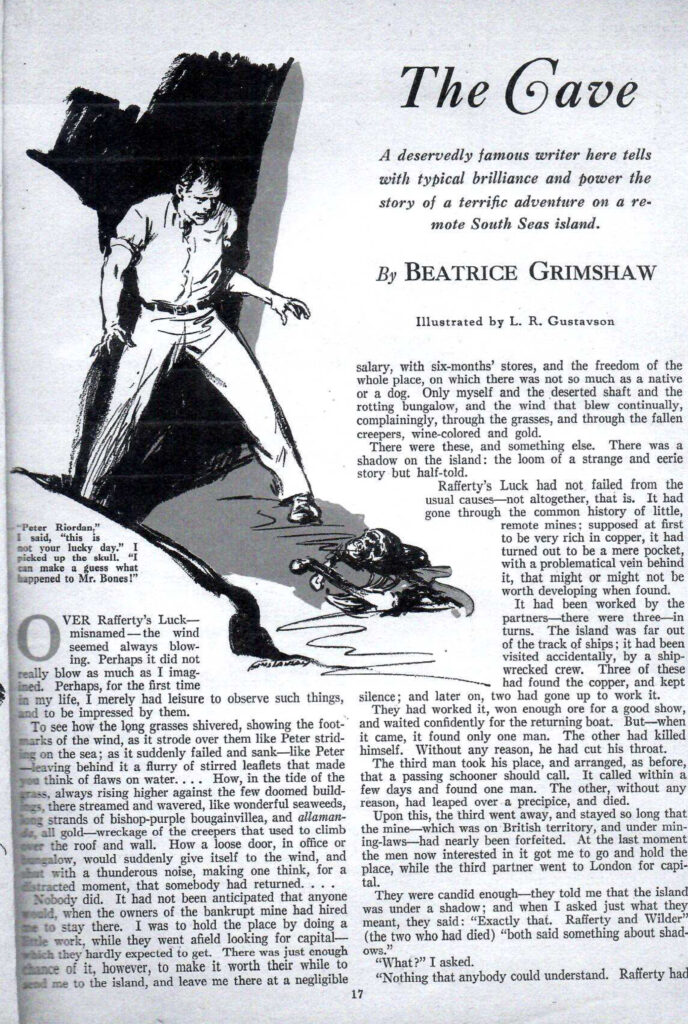
JK: The respect she has for the indigenous islanders is there for the islands themselves and that comes through in “The Cave”, which does not look kindly on prospectors syphoning off their resources. It’s one of the more genuinely chilling pieces in this collection.

MA: “The Cave” was the first story I read by Grimshaw, which I thought highly original. At the time I couldn’t find anything else by her and it wasn’t until I developed my magazine collection, especially the British Pearson’s and the American Blue Book, that I encountered more of her work and was fascinated by the originality of the stories and how they brought the locations and cultures alive.

JK: Speaking of your search for the stories that make up Strange South Seas, how much of Grimshaw’s work did you have to read through to unearth the contents of this collection? Writers of her generation would have written across multiple genres and magazines and didn’t seem to distinguish between them.

MA: I think the total tally of Grimshaw’s stories is around 250. I’m missing perhaps thirty of those, but I read—or skim-read if I realised it wasn’t good enough or not enough fantasy—most of the other two hundred or so. I have her short story collections and read most of those twenty to thirty years ago but I still re-read those I remembered fondly. The fun part is checking out those I had in magazines but had never got round to reading and discovering something special from time to time. I didn’t do this all at once it’s been spread over years, but I went back and re-read maybe forty to whittle it down.

JK: That’s still quite an amount of reading. Perhaps the most uncanny of the stories in Strange South Seas is “The Forest of Lost Men”. Grimshaw really was capable of writing properly scary stories.

MA: I think “The Forest of Lost Men” is the closest she came to demonstrating the strangeness of the islanders’ abilities. And that otherness becomes tangible.

JK: The final story, “A Friend in Ghostland”, is a wonderful choice to round out Strange South Seas. Gentle, beautifully written, and understatedly lyrical in its delivery. Did Grimshaw ever try her hand at poetry?

MA: I’ve not encountered much by way of verse though you’re right, she could have been a good poet. Her very first appearance in print was with a poem, “To the Princess of Wales” in the Girl’s Own Paper in 1885 and I know of one other, so there may be more tucked away in minor magazines.

JK: Finally, do we know much about Grimshaw’s later life, after she moved to Papua? Did she continue to write?

MA: There is no real “later life”. She stayed in Papua as long as she could and then settled back in Australia in 1936 living initially with her brothers. She died there in 1953. She still wrote in those final years. Blue Book published stories right up to her death at age eighty-three. She had been increasingly ill, though. After all, her life in Papua, where she built herself a home, was hard work. She was a remarkable woman.


Buy Strange South Seas.

The Green Book 15

Green Book 15EDITOR’S NOTE

In our previous issue, we focused on the lives of writers, featuring as we did reminiscences, interviews, and memoirs. For this issue I’d like to do something different. While we have featured occasional pieces of fiction in previous issues, including “Saved by a Ghost” by Bram Stoker in Issue 6 and “The Boys’ Room” by Dorothy Macardle in Issue 9, I’ve decided this time around to turn over the entire issue to fiction.

Consider this issue a special anthology issue, and an eclectic one at that. There is little to tie these pieces together, save for the fact each author grew from the soil of the same island at the edge of Europe, which is to say they are all Irish by birth. Perhaps, instead, to state the obvious, one might find that each story reflects more so its author than any affinity with one another — and yet they are here between these covers. I hope most, if not all, of these stories will be new to you.

Rosa Mulholand’s “A Priest’s Story” is certainly informed by her own Catholic beliefs, the supernatural elements driven by faith more than fear. Similarly, “The Story of a Star” is a fable that could only have flowed from the pen of the mystical poet and painter A.E.

Robert Cromie is best known for his novel The Crack of Doom (1895), which contains what is thought to be the first description of an atomic explosion in fiction. Published here is his supernatural short story “Squire Grimshaw’s Ghost” — decidedly more gothic than the scientific fiction for which he is now remembered.

Herbert Moore Pim’s “The Madman” is indeed a mad bit of writing from his singular collection Unknown Immortals of the Northern City of Success (1917). Whether the madman in question is based on a real person known to Pim is anyone’s guess. Beatrice Grimshaw’s “Cabin No. 9” is a ghost story set on the high seas, full of the adventure and incident one expects from Grimshaw. Unfortunately it is also marred by her racism, but I hope you will enjoy the tale nevertheless. Cheiro’s “A Bargain Made with a Ghost” purports to be based on true events — insofar as any tale told by Cheiro can be trusted as true. But the story is ably told and certainly entertaining.

Dorothy Macardle’s “The Shuttered Room” was originally broadcast on Radio Eireann on 13 September 1957. It was the sixth and last talk by Macardle in her Days and Places series. The other pieces in the series are reminiscences of her travels and experiences in post-war Europe and her sole trip to America. Though the “The Shuttered Room” was the story’s original title, on the manuscript this is crossed out, and a new title given: “A World of Dream”. This new title is then crossed out with “stet” written beside the original. This is the first time “The Shuttered Room” has appeared in print.

Finally we have Conall Cearnach’s “The Fiend That Walks Behind” from his sole (and slim) volume The Fatal Move and Other Stories (1924); a mixed bag as a collection, this tale of revenge from beyond the grave is perhaps the best of the lot.

And there you have it: I hope an entertaining crop of stories that will keep you amused for an evening. If you enjoy this all – fiction issue, maybe we’ll do another sometime?

Brian J. Showers
Rathmines, Dublin
19 April 2020

You can buy The Green Book here.

Contents

“Editor’s Note”
Brian J. Showers

“A Priest’s Ghost Story”
Rosa Mulholland

“Squire Grimstone’s Ghost”
Robert Cromie

“A Scrap of Irish Folklore”
Rosa Mulholland

“The Madman”
Herbert Moore Pim

“The Story of a Star”
A.E.

“Cabin No. 9”
Beatrice Grimshaw

“A Bargain Made with a Ghost”
Cheiro

“The Shuttered Room”
Dorothy Macardle

“The Fiend That Walks Behind”
Conall Cearnach

“Notes on Contributors”

The Green Book 14

Green Book 14EDITOR’S NOTE

We encounter and enjoy authors mostly through their writing, forgetting sometimes that there are personalities behind their words, some astonishingly well-known in their time, often now relegated to small press rediscoveries. With sufficient spans of years, these authors and their personalities pass out of memory, becoming less familiar to us as people and more so as names on title pages. But it is important to remember that these authors lived and worked, had careers and relationships; some of them died while relatively unknown, others were widely celebrated for their creations. With this in mind, I’ve decided to focus the current issue on reminiscences, interviews, and memoirs in hopes of summoning the shades of these writers and to show that in some ways their lives were not always so different from our own.

To that end, you will find a number of texts I have been collecting these past few years, now nestled here comfortably beside one another. Each one, I hope, will give you some insight into the lives of these authors, who they were, and a past that is not necessarily so far distant.

There are first-hand accounts by authors with whom I hope you are now familiar. Rosa Mulholland, Cheiro, and Dorothy Macardle all relate anecdotes of their own experiences with the psychical and supernatural. Elsewhere in this issue, you can spend an entertaining evening with Mervyn Wall. In this talk, given to the Bram Stoker Society in 1987, he delves into witchcraft and details the origins of his best-loved novel, The Unfortunate Fursey (1946).

We have a few interviews — “chats” — with those who worked as professionals, and whose names were familiar to the broader public on a weekly basis, as their stories were published and novels serialised in magazines of the day. Among these sketches you’ll be invited to spend agreeable afternoons with L. T. Meade, Charlotte Riddell, and Katharine Tynan. While they may not discuss strictly ghastly material, I hope these interviews bring us that much closer to authors whose works still find admiration of a modern readership.

You’ll also find some brief memoirs, including litterateur William Winter’s reminiscence of his fallen comrade Fitz-James O’Brien, who died in the American Civil War; and Samuel Carter Hall, who conjures two of Dublin’s gothic greats: Charles Maturin and Joseph Sheridan Le Fanu — perhaps reminding us that these authors existed in a wider social world.

However, the issue commences with Albert Power’s appraisal of George Croly’s Salathiel (1828), a novel which Stoker biographer Paul Murray posited as an influence on the composition of Dracula. Although, a tale of the Wandering Jew, Salathiel might have more in common thematically with Charles Maturin’s Melmoth the Wanderer, than Bram Stoker’s more famous book. Power aptly leads us through the life of Reverend Croly and how his book fits into the literary milieu of the dark fantastic.

If you would like to read more about some of these writers among these pages, you’ll find lengthier profiles in earlier issues of The Green Book. In Issue 9: Rosa Mulholland; Issue 12: Mervyn Wall; Issue 13: Cheiro and Beatrice Grimshaw. While this issue and the next will serve as an intermission in our Guide to Irish Writers of Gothic, Supernatural, and Fantastic Fiction, fear not — we will return with more entries in future instalments.

Brian J. Showers
Rathmines, Dublin
15 April 2020

You can buy The Green Book here.

Contents

“Editor’s Note”
Brian J. Showers

“Who Marvels at the Mysteries of the Moon: George Croly’s Salathiel”
Albert Power

“Sketch of Fitz-James O’Brien”
William Winter

“Le Fanu and Maturin: Two Reminiscences”
Samuel Carter Hall

“About Ghosts”
Rosa Mulholland

“How I Found Adventure”
Beatrice Grimshaw

“A Biographical Sketch of Mrs. L. T. Meade”
Helen C. Black

“Sweet Singer from Over the Sea”
A Chat with Katharine Tynan

“A Chat with Mrs. J. H. Riddell”
Raymond Blathwayt

“Extracts from Confessions: Memoirs of a Modern Seer”
Cheiro

“They Say It Happened”
Dorothy Macardle

“Ghost Story of a Novelist”
Katharine Tynan

“Witchcraft and the Origins of The Unfortunate Fursey”
Mervyn Wall

“Notes on Contributors”

Bending to Earth: Strange Stories by Irish Women

An Extract from the Introduction by Maria Giakaniki and Brian J. Showers

53717333_775664036154255_1018230587174944768_n

Irish women have long produced literature of the gothic, uncanny, and supernatural. Bending to Earth draws together twelve such tales. While none of the authors herein were considered primarily writers of fantastical fiction during their lifetimes, they each wandered at some point in their careers into more speculative realms — some only briefly, others for lengthier stays.

Names such as Charlotte Riddell and Rosa Mulholland will already be familiar to aficionados of the eerie, while Katharine Tynan and Clotilde Graves are sure to gain new admirers. From a ghost story in the Swiss Alps to a premonition of death in the West of Ireland to strange rites in a South Pacific jungle, Bending to Earth showcases a diverse range of imaginative writing which spans the better part of a century.


There is a latent urge among literary scholars to define grand traditions in literature that sweep through the centuries. Joining the dots between one author’s influences on the work of another writer a generation thence makes for a tantalising and occasionally illuminating game. For some, these distinguished pedigrees are absolutely vital. Such contexts can give better understanding to the evolution of literary movements, the development of genres, and affinities between various coteries of writers.

Consider how much ink has been expended in an effort to prove whether or not Bram Stoker, author of Dracula (1897), had read or was definitively influenced by Joseph Sheridan Le Fanu’s “Carmilla” (1871-2). Sometimes connections can be delightfully subtle, such as recognising the spine of Lord Dunsany’s The Gods of Pegana (1905) in a photograph of C. S. Lewis posing before a bookshelf in his study. But establishing a conscious tradition — one author knowingly working in the wake of another in an unbroken chain — can be a difficult and frequently tenuous task. This is especially true when genre is concerned, where delineations are often already nebulous.

If a novel or short story displays only scant elements of a particular school of literature, it is granted the prefix “proto”; the author, usually long dead at the time of the pronouncement, may well find herself surprised by such an inclusion. The best one can do in some cases is make an informed speculation — though the peril here is that these assertions can transform over time, without further erudition, into assumed fact.

2019-01-25 Final PosterThe present volume is subtitled “Strange Stories by Irish Women”, and its authors populate the better part of the nineteenth century. One might rightfully wonder if such a joined-up tradition can be delineated, and if the tales in this anthology constitute part of a literary continuum. In his essay on Irish literature for Supernatural Literature of the World (2005), Peter Tremayne makes the helpful observation that “Practically every Irish writer has, at some time, explored the genre for the supernatural is part of Irish culture.” Indeed, one would be hard-pressed to find an Irish author who did not, at some point, include elements of the fantastic in their work — be it supernatural, folkloric, surrealist, or something else. Naturally, this makes broad declarations a particularly challenging endeavour.

What we are more certain about is that the writers included in Bending to Earth were not considered during their lifetimes to be chiefly writers of fantastical fiction. Yet they each at some point in their careers wandered into more speculative realms — some only briefly, others for lengthier stays. Some of them, like Katharine Tynan, Ethna Carbery, and Dora Sigerson Shorter, were known primarily as poets. Others, such as L. T. Meade, and Clotilde Graves deliberately wrote for more general popular markets; while the likes of Lady Wilde and Lady Gregory — perhaps now the most commonly known — linger in the Irish national psyche for their explorations of legends and folklore.

And then there are writers whose posthumous reputations have been sustained through the years solely on the merits of their supernatural tales, their once mainstream writings now almost entirely abandoned by modern readers. In 1882 Charlotte Riddell published her seminal collection, Weird Stories, and her supernatural novellas are still celebrated for their effectiveness. Meanwhile, Riddell’s realist mainstream novels have faded from memory, outside the cloistered world of scholars and academics. Similarly, the ghostly writings of Rosa Mulholland and B. M. Croker were kept alive, with varying levels of success, by the industrious efforts of twentieth-century anthologists, while the remainder of their works passed into the afterlife of the unfashionable from which they seldom return.

Bending to EarthIn compiling this anthology of strange tales, we sought stories by Irish women writing in the broader range of the darkly fantastic. We focused on the merits of each writer and their contribution, arranging stories in a sequence that we hope makes for an agreeable read. As one might expect, these selected tales reflect the diverse backgrounds, experiences, and preoccupations of each author. While there might not be a formal pedigree in the supernatural tradition, there is certainly a more ethereal sense of connection that characterises these writers and their offerings to strange literature.

Buy a copy of Bending to Earth here.

Read more about our Strange Stories by Irish Women poster here.


Maria Giakaniki is an independent scholar and editor-in-chief of Ars Nocturna, a small publishing house in Athens that focuses on Gothic fiction. She has compiled and co-translated Gothic Tales by Victorian Women Writers and Gothic Tales by Modern Women Writers.

Brian J. Showers runs Swan River Press in Dublin, Ireland. He also edits The Green Book: Writings on Irish Gothic, Supernatural and Fantastic Literature.

The Green Book 13

Green Book 13EDITOR’S NOTE

One perennial question about genre fiction centres around the notion of “tradition”: the influence authors and their works have on the next generation, and so on down the line. In posing this question, we ask whether or not an unbroken literary pedigree can be established. For example, an excessive amount of energy has been expended exploring links, both legitimate and spurious, between Le Fanu’s “Carmilla” (1871/2) and Stoker’s Dracula (1897) — and believe me, this seems to be an all-consuming pastime for some. But to me, Irish genre fiction has always seemed more a web of thematic shadows, authorial echoes, even social links, rather than a series of linear connections.

Those who read the editor’s note in Issue 12 will recall our endeavour to serialise biographical/critical sketches of Irish writers, which commenced in Issue 11. These entries are the results of an on-going project tentatively called the Guide to Irish Writers of Gothic, Supernatural and Fantastic Fiction, edited by myself and Jim Rockhill. What form this project will ultimately take is still uncertain, but until then we will continue to share the results here. This issue continues with fourteen further such entries, a new crop of names featuring authors with whom readers of The Green Book might already be acquainted, such as Cheiro and A.E., while the likes of Beatrice Grimshaw and Mary Fortune may be less familiar — but whom I hope you will find no less fascinating.

Earlier this year Swan River Press published Bending to Earth: Strange Stories by Irish Women, which I co-edited with Maria Giakaniki. In the introduction to that volume are more musings on the Irish genre tradition, or rather how Irish authors, with their disparate blossomings, are still connected through conversations in the margins. Indeed, with Ireland being such a small country, there are countless such communications between its authors, both direct and indirect. As you read this issue’s entries, along with those in previous instalments, you’ll certainly notice myriad connections and crossovers in the frequently overlapping lives of these authors and their writings.

Back in Issue 12, I outlined the criteria Jim and I used to select authors for consideration. The difficulty in this lies with the definitions of both “Irish” and “fantastical literature” — in the end always a fool’s errand. We continue to err on the side of inclusivity, fully aware that we cannot please everybody.

While editing this issue, the question of inclusivity reared its head when I noticed that, although we’ve a contributor line-up of the usual, impressive quality, there wasn’t a single woman among them. This is a glaring shortfall, one for which I, as editor, take full responsibility. The entries in Issue 13 are the sum total of what was available at the time of publication. Nevertheless, this is not a reasonable excuse for such a discrepancy. So with that in mind, I take this opportunity to remind people that The Green Book is open for submissions. And I would like to urge women in particular to submit. There are still a number of authors for whom we need entries, so please contact me for a current list of availability. General submission guidelines can be found on the last page of this issue, and also on our website. I hope this gender imbalance is something I can begin to redress in future issues.

As with each issue, I hope you will find something of interest, discover new authors, and that your list of books to read will grow ever longer.

Brian J. Showers
Rathmines, Dublin
16 May 2019

You can buy The Green Book here.

Contents

“Editor’s Note”
Brian J. Showers

“Thomas Parnell (1679-1718)”
Albert Power

“Thomas Leland (1722-1785)”
Albert Power

“Mary Fortune (1833-1911)”
James Doig

“Keith Fleming (1858/9-?)”
James Doig

“Dora Sigerson Shorter (1866-1918)”
Richard Bleiler

“Cheiro (1866-1936)”
Edward O’Hare

“George William Russell (AE) (1867-1935)”
Daniel Mulhall

“Beatrice Grimshaw (1870-1953)”
James Doig

“Shane Leslie (1885-1971)”
Derek John

“James Corbett (1887-1958)”
Reggie Chamberlain-King

“Oliver Sherry (1894-1971)”
Richard Dalby

“Francis Stuart (1902-2000)”
Mark Valentine

“Stephen Gilbert (1912-2010)”
Reggie Chamberlain-King

“Peter Beresford Ellis (1943- )”
Mike Ashley

“Notes on Contributors”

Strange Stories by Irish Women

2021-14-09 Final Poster

Back in 2015, Jason Zerrillo and I designed the poster “Irish Writers of the Fantastic” as a response to the more ubiquitous “Irish Writers” poster that one often finds around Dublin. Instead of the typical faces — Joyce, Yeats, Beckett, Swift, etc. — we wanted to showcase the Irish writers we enjoyed reading — those with a more fantastical bent — Le Fanu, Dunsany, Hearn, etc. Our goal was to establish a sort of lesser known canon, but a no less important one. If you want to see “Irish Writers of the Fantastic”, and read about the thought that went into it, have a look at this previous post.

With the release of Bending to Earth: Strange Stories by Irish Women, edited by Maria Giakaniki and Brian J. Showers, we thought it would be an interesting idea to repeat the exercise. Naturally we focused on the Irish women who contributed to literature of the fantastic and whose stories are included in the book.

In addition to the image above showing the full poster, the links below will give you a bit more information on the backgrounds of these writers. And if you’re still interested, do pick up a copy of Bending to Earth.

Anna Maria Hall (1800 – 1881)

Lady Wilde (1821 – 1896)

Charlotte Riddell (1832 – 1906)

Rosa Mulholland (1841 – 1921)

L. T. Meade (1844 – 1914)

B. M. Croker (c.1849 – 1920)

Lady Gregory (1852 – 1932)

Katharine Tynan (1859 – 1931)

Clotilde Graves (1863 – 1932)

Ethna Carbery (1866 – 1902)

Dora Sigerson Shorter (1866 – 1918)

Beatrice Grimshaw (1870 – 1953)

Of course, as is always the case with these things, not everyone will agree with our choices. Two obvious omissions are Dorothy Macardle and Elizabeth Bowen. Given that they both appeared on our first poster, “Irish Writers of the Fantastic”, and are both served well in print, we decided not to include them again here. Instead we focused on lesser known contributors to fantastical literature. But the question stands: who would you include? And, more importantly, why would you include them?

As always, we hope this poster, “Strange Stories by Irish Women”, will lead you to discover new books and authors. If you have a further interest in Ireland’s contributions to fantastical literature, you also might want to check out our twice-yearly journal The Green Book, which features commentaries, articles, and reviews on Irish gothic, supernatural, and fantastic literature.


Bending to EarthBending to Earth: Strange Stories by Irish Women edited by Maria Giakaniki and Brian J. Showers

Order a copy of Bending to Earth.

Irish women have long produced literature of the gothic, uncanny, and supernatural. Bending to Earth draws together twelve such tales. While none of the authors herein were considered primarily writers of fantastical fiction during their lifetimes, they each wandered at some point in their careers into more speculative realms — some only briefly, others for lengthier stays.

Names such as Charlotte Riddell and Rosa Mulholland will already be familiar to aficionados of the eerie, while Katharine Tynan and Clotilde Graves are sure to gain new admirers. From a ghost story in the Swiss Alps to a premonition of death in the West of Ireland to strange rites in a South Pacific jungle, Bending to Earth showcases a diverse range of imaginative writing which spans the better part of a century.


Strange Stories by Irish Women
from Swan River Press

Bending to Earth: Strange Stories by Irish Women edited by Maria Giakaniki and Brian J. Showers
Earth-Bound and Other Supernatural Tales by Dorothy Macardle
Not to Be Taken at Bed-Time and Other Strange Stories by Rosa Mulholland
“Number Ninety” & Other Ghost Stories by B. M. Croker
The Death Spancel and Others by Katharine Tynan
Eyes of Terror and Other Dark Adventures by L. T. Meade
A Vanished Hand and Others by Clotilde Graves
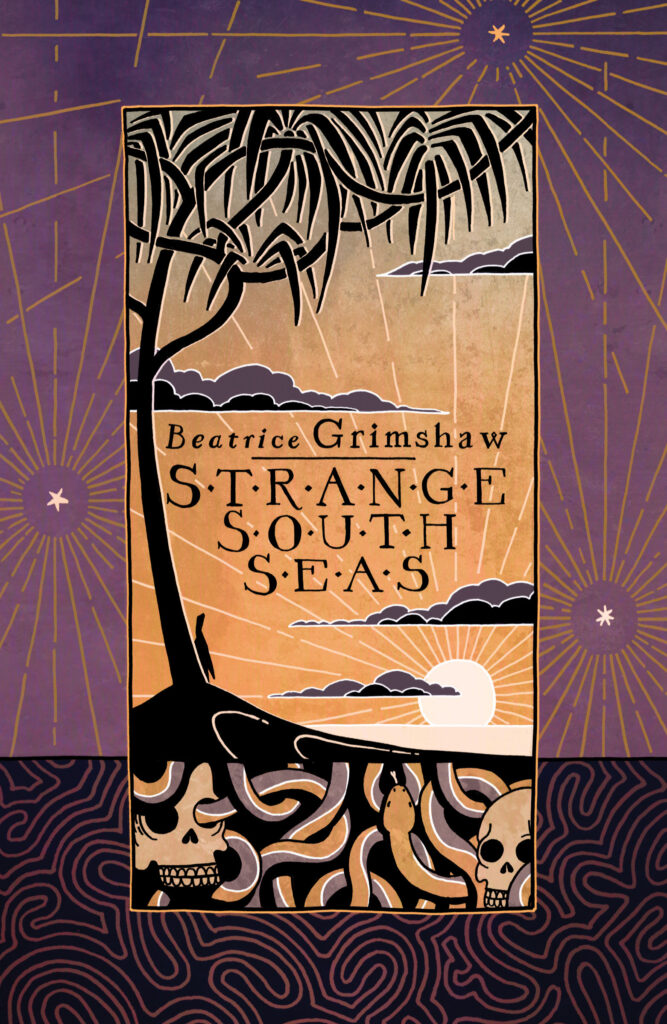
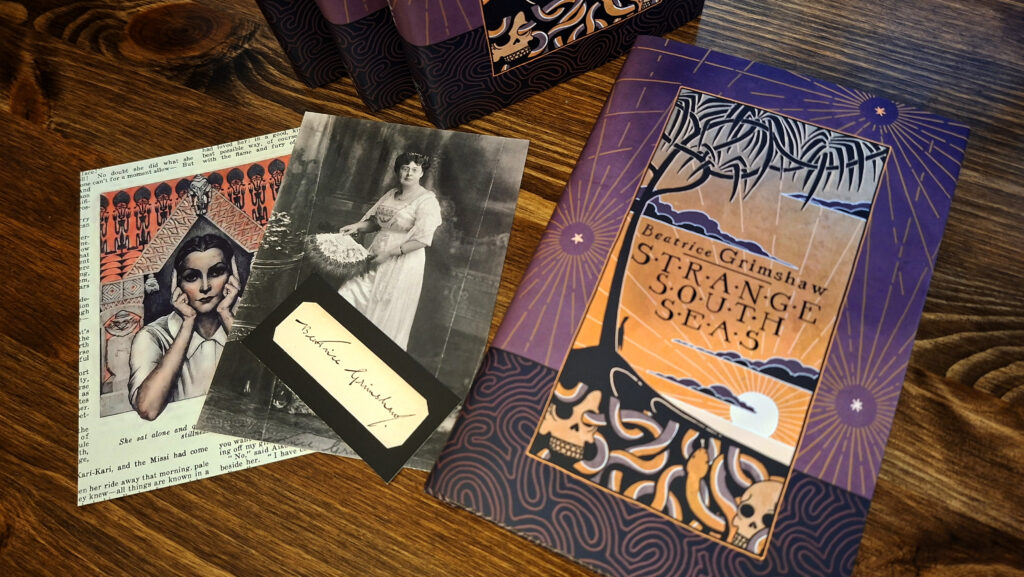
Strange South Seas by Beatrice Grimshaw

Beatrice Grimshaw (1870-1953)

12 Beatrice Grimshaw

“A mountain paradise, yet silent and lonesome, somewhat strange, for all its sweetness of flower and of friend, not friendly . . . ” – “The Blanket Fiend” (1929)

Beatrice Grimshaw (1870-1953) was born in Dunmurry, Co. Antrim on 3 February 1870. Though raised in Northern Ireland, and educated in France, Grimshaw is primarily associated with Australia and the South Seas, which she wrote about in her fiction and travel journalism. She was a devoted (and record-breaking) cyclist, and during the 1890s wrote for the Dublin-based magazines Irish Cyclist and Social Review. In 1904 Grimshaw was commissioned by London’s Daily Graphic to report on the Pacific islands, around which she purportedly sailed her own cutter, never to return to Europe again. Her travel writing includes From Fiji to the Cannibal Islands (1907) and In the Strange South Seas (1908); her most popular novels are When Red Gods Call (1911) and The Sorcerer’s Stone (1914); while collections such as The Valley of Never-Come-Back (1923) and The Beach of Terror (1931) feature some of her supernatural stories. After living much of her life in New Guinea, Grimshaw retired to New South Wales, where she died on 30 June 1953.


Bending to EarthBending to Earth: Strange Stories by Irish Women edited by Maria Giakaniki and Brian J. Showers

Order a copy of Bending to Earth.

Irish women have long produced literature of the gothic, uncanny, and supernatural. Bending to Earth draws together twelve such tales. While none of the authors herein were considered primarily writers of fantastical fiction during their lifetimes, they each wandered at some point in their careers into more speculative realms — some only briefly, others for lengthier stays.

Names such as Charlotte Riddell and Rosa Mulholland will already be familiar to aficionados of the eerie, while Katharine Tynan and Clotilde Graves are sure to gain new admirers. From a ghost story in the Swiss Alps to a premonition of death in the West of Ireland to strange rites in a South Pacific jungle, Bending to Earth showcases a diverse range of imaginative writing which spans the better part of a century.


Strange South Seas by Beatrice Grimshaw

Order a copy of Strange South Seas.

In the magical and beautiful islands of the South Seas, belief in the supernatural can mean the difference between life and death. Beatrice Grimshaw, though born and raised in Ireland, lived and breathed the culture of the islands for most of her adult life. In these stories, she conjures the Pacific’s darker side, where sorcerers practice their ancient craft, where enchanting forests ensnare the unwary, where ghosts linger for thousands of years, and where beauty often casts a sinister shadow. Strange South Seas is the first collection gathering together a career-spanning selection of Grimshaw’s spectral and speculative tales depicting terrains at the edge of the world and beyond.